
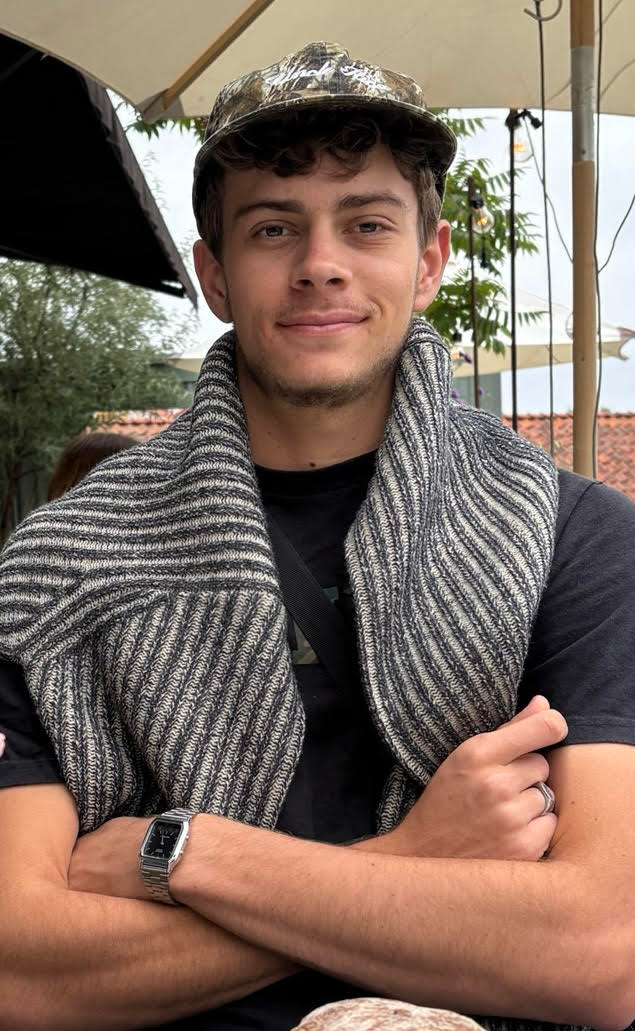
University of Queensland student Jack Young is one step closer to realising his dream of becoming a sports journalist after being selected for the prestigious International Olympic Committee (IOC) Young Reporters Programme at the Dakar 2026 Youth Olympic Games.
A third-year Bachelor of Journalism student, Jack is one of just 15 emerging journalists aged 21–25 selected worldwide, following a highly competitive call that attracted 271 applications from 32 countries.
This is the first ever Olympic event to be held in Africa, and Jack will travel to Senegal for two and a half weeks to report from the Youth Olympic Games, gaining hands-on experience while being mentored by leading professionals across print, broadcast, photography and social media.
“This is a dream come true for me,” Jack said. “It still doesn’t feel real, even now.”
The IOC Young Reporters Programme is designed to identify and nurture the next generation of sports journalists by immersing them in the fast-paced reality of an Olympic-level event.
Participants report alongside international media, covering competition, athletes and stories from the heart of the Games. Their work is published across the programme’s official media platforms.
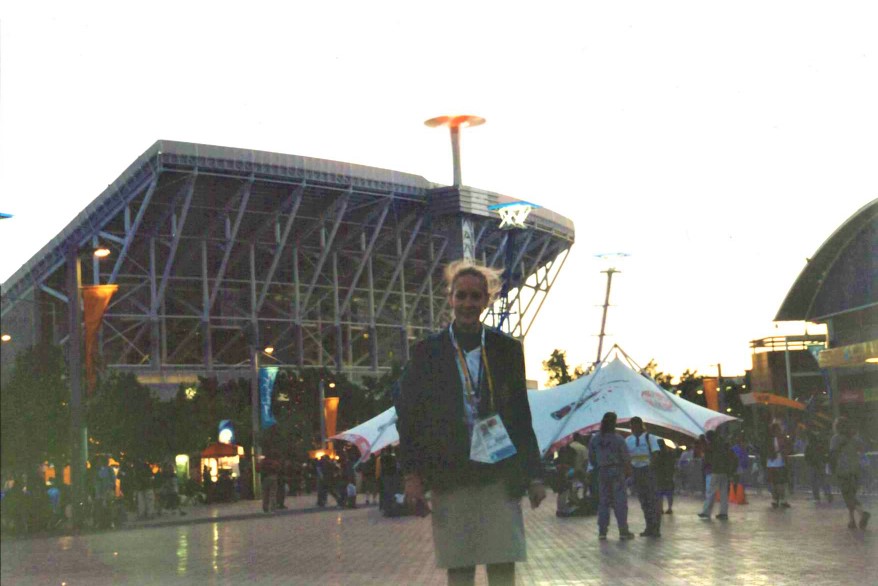
For Jack, the opportunity is deeply personal. His passion for the Olympic movement was sparked at an early age by his mother, who worked in event management during the Sydney 2000 Olympic Games.
“Mum always says it was the best time of her life,” Jack said.
“Growing up, I was surrounded by her stories and memorabilia. I was rummaging through Olympic keepsakes as a kid, meeting people from that world – it left a huge impression on me.”
It was, fittingly, Jack’s mother who first spotted the application and encouraged him to apply while he was on student exchange in Vienna, Austria.
“She told me how competitive it was, so I honestly didn’t expect much. But I decided to give it everything.”
That meant 3 days locked in his apartment, pulling together an extensive application including a personal portfolio.
“My strength is definitely print journalism, but I’ve also been taking photos at football matches, so I included those, along with an introductory video about what sport and the Olympics mean to me.”
After submitting the application, Jack heard nothing for months. He returned to Australia assuming he had been unsuccessful – until an acceptance email arrived early March.
“I read it about 100 times because I couldn’t believe it,” he said.
“I called my mum, who was hiking Mount Kosciuszko. I read the email out loud and she just started screaming. That’s a moment I’ll never forget.”
During the Games, Jack will take part in intensive training led by senior Olympic media professionals and experienced journalists. The program combines classroom workshops with live reporting in press conferences, mixed zones and competition venues, mirroring the demands of modern sports media.
Launched ahead of the inaugural Youth Olympic Games in Singapore in 2010, the Young Reporters Programme has supported 125 participants from 68 countries, many of whom have gone on to work at Olympic Games and within organisations across the Olympic Movement.
“A lot of the mentors have actually been through this program themselves,” Jack said.
“Seeing that pathway – knowing they were in our position not that long ago – makes it feel achievable.”
Jack’s long-term ambition is clear. A self-confessed football obsessive, he hopes to carve out a career in sports journalism, with a particular interest in in-depth, investigative storytelling at the intersection of sport and culture.
“I love storytelling – finding a story, chasing it, uncovering new angles and voices, and delivering it in a way that feels meaningful,” he said.
“I want to create work that people actually want to read and engage with.”
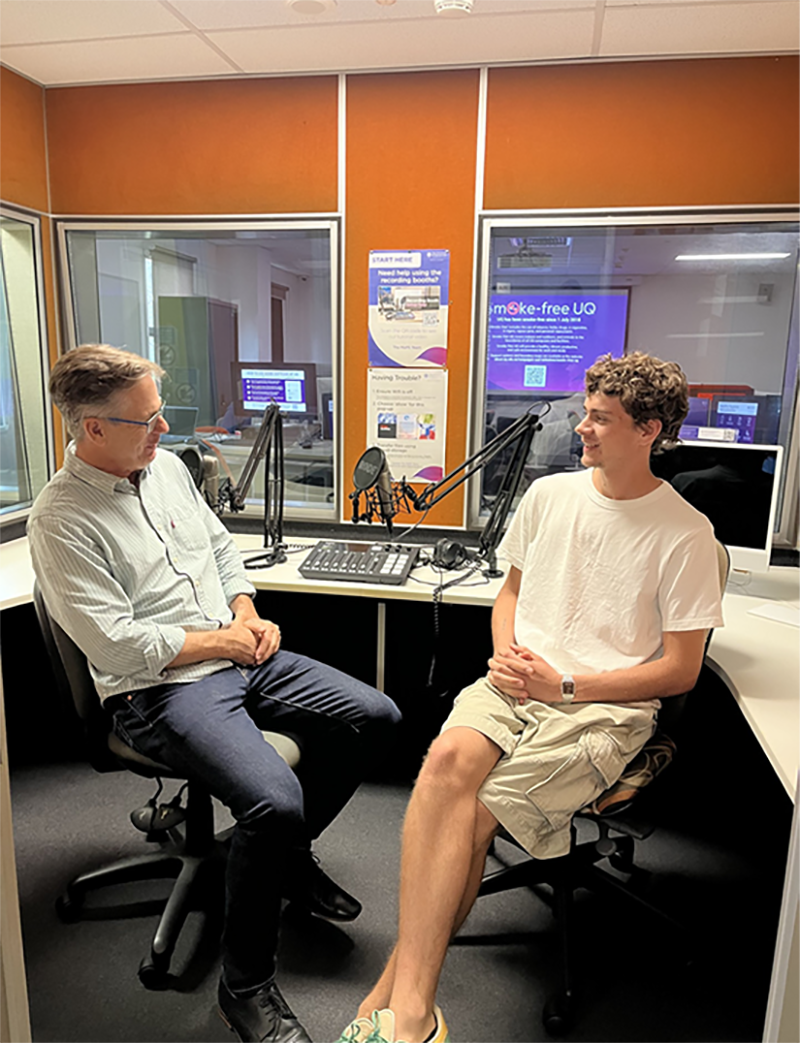
Convenor of UQ’s Journalism program Dr Anne Kruger is incredibly proud of Jack and said he brings a genuine authenticity to everything he works on.
“As Jack’s lecturer in Data Journalism last year, his tutor and I were highly impressed by his extensively researched report on - you guessed it - international football!”
With around 65 per cent of program alumni going on to work with the IOC in some capacity, Jack has set himself an ambitious goal: to make such an impression in Dakar that it opens the door to future opportunities.
“I’d cherish the opportunity to work as a journalist with the IOC in the future – it’s an unattainable-but-attainable goal,” he said.
“It’s a short amount of time, but I plan to put everything into those two weeks.”
Dr Kruger said the experience Jack is already gathering through the IOC brings together the years of study at UQ's journalism course and will literally launch his career.
“Sport and athletics bring so much to society. It is an international language that can bridge political divides and bring humanity together - Jack's conscientious approach means we're in good hands," she said.
The Dakar 2026 Youth Olympic Games will take place from 31 October to 13 November 2026, bringing together around 2,700 athletes aged up to 17 across 3 host zones: Dakar, Diamniadio and Saly.
After the program concludes, Jack hopes to stay on briefly to explore Africa before returning to complete his studies.
Above all, he says the experience is about honouring the inspiration that started it all.
“It makes me incredibly proud to be following in my mum’s footsteps,” Jack said.
“This opportunity means so much to both of us.”


